The Nano Tank Setup Masterclass: Crafting a Miniature World

In This Guide
- 1. The Foundation: Choosing Your Canvas
- 2. The Invisible Engine: Hardware That Disappears
- 3. Hardscaping: Playing with Scale
- 4. The Nitrogen Cycle: The Test of Patience
- 5. The Best Fish for Nano Aquariums
- 6. Nano vs. Standard
- 7. Nano Tank Myths vs. Reality
- 8. The Five-Minute Maintenance Habit
- 9. FAQ: Your Nano Tank Questions Answered
- 10. Small Tank, Big Rewards
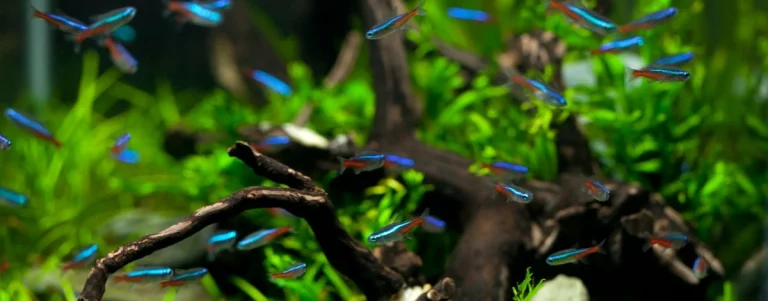
There is a specific kind of magic that happens when you sit at your desk, stressed out by emails, and glance over to see a 30-litre world thriving right next to your monitor. You don’t see a massive, high-maintenance beast of a tank; instead, you see a "living jewel box." A few bright orange Ember Tetras darting through a thicket of moss, a single snail vacuuming a pebble, and a sense of calm that a massive 200-litre tank just doesn't capture in the same way.
In the hobby, we call these Nano Tanks. But here’s the thing no one tells you at the start: a small tank is actually a bit of a high-wire act. In a big tank, a little mistake is a drop in the ocean. In a 20-litre nano, that same mistake is a thunderstorm.
If you want to build one of these miniature masterpieces without the cloudy water heartbreak, you have to think like a curator, not just a collector. It’s about the journey from a dry glass box to a living, breathing ecosystem.
The Foundation: Choosing Your Canvas
When you’re picking a nano tank, typically anything from 20 to 40 litres, you have to consider the "footprint". A tall, skinny "column" tank looks cool, but it offers very little swimming room for fish and even less surface area for oxygen exchange.
Look for a long or cube layout. Even a 30-litre tank feels massive to a small fish if it has a bit of horizontal runway to swim across. This is where your journey starts: finding a sturdy, level surface away from direct sunlight.
The Invisible Engine: Hardware That Disappears
Because space is at a premium, your equipment needs to be efficient but discrete. You don't want a cluttered look where the heater and filter take up half the view.
We always suggest an internal power filter for these setups. You want something that polishes the water but doesn't turn the tank into a whirlpool. If your fish are struggling to swim against the current, they’ll get stressed and sick. You’re looking for a gentle burble, not a jet stream.
And don’t skip thereliable heater. Even in a small tank, tropical species need stability. Because the water volume is small, the temperature can "yo-yo" quickly when the sun goes down. A quality heater with a built-in thermostat acts as your safety net, keeping things at a steady 25°C.
Hardscaping: Playing with Scale
This is where the art happens. To make a small tank look huge, you have to play with proportions. If you put a massive, chunky rock in the middle, the tank looks tiny. But if you use "spider wood" and small, jagged stones, the aquarium suddenly looks like a vast, sprawling forest.
The "Rule of Thirds": don't put your main piece of driftwood right in the centre. Offset it slightly to the left or right. This tricks the human eye into seeing more depth, making your 30-litre setup feel like a 100-litre slice of nature.
The Nitrogen Cycle: The Test of Patience
Here is the expert secret that saves more fish than any medicine: You cannot add fish on day one. A new tank is a sterile environment. You need to grow "beneficial bacteria" in yourfilter to eat the waste your fish will produce. This process, the Nitrogen Cycle, usually takes 2-4 weeks. It’s the hardest part of the journey because the tank looks ready, but the chemistry isn't. Use a liquid test kit; once your Ammonia and Nitrite levels hit zero, the gates are open.
The Best Fish for Nano Aquariums
Now for the reward. When you're browsing theLiveFish store, you’re looking for the low-impact superstars.
- The "Indestructible" White Cloud: perfect for beginners. They’re temperate (happy at room temperature) and have a brilliant iridescent stripe. They are tough, active, and bring instant life to the tank.
- Tetras & Rasboras:Ember Tetras (fiery orange) or Harlequin Rasboras (copper and black) are the gold standard. They stay in tight, disciplined schools, which creates a sense of order and calm in a small space.
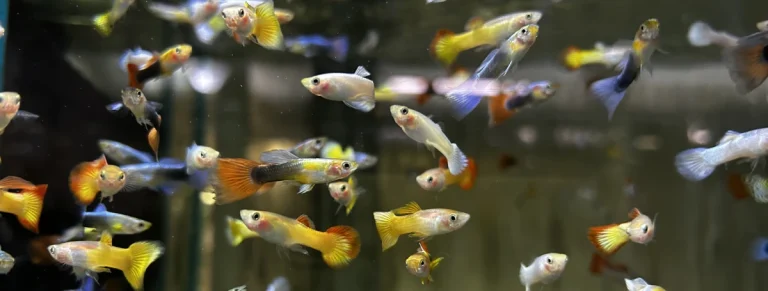
- The High-Energy Endler: if you want a fish that interacts with you, go for Guppies. They are like Guppies on fast-forward, curious, colourful, and always busy. (Pro Tip: Stick to all-males to avoid a baby boom!)
- The Pygmy Corydoras: every tank needs a ground crew. These tiny catfish stay under 3cm and spend their days hoovering the substrate, keeping things tidy while looking adorable.
Nano vs. Standard
If you are still on the fence about whether a nano tank is right for you, it helps to see the trade-offs side-by-side. While a smaller tank takes up less space in your home, it actually asks for a slightly more disciplined owner.
|
Feature |
The Nano Tank (20–40L) |
The Standard Tank (100L+) |
|
Space Required |
Fits on a desk or kitchen bench. |
Needs a dedicated, heavy-duty stand. |
|
"Buffer" for Mistakes |
Low. A bit of extra food can spike ammonia quickly. |
High. More water means waste is diluted. |
|
Maintenance Time |
5–10 minutes a week. Quicker to clean the smaller aquarium and with less water changes. |
20–30 minutes a week. |
|
Fish Choice |
Limited to "Micro-fish" and invertebrates. |
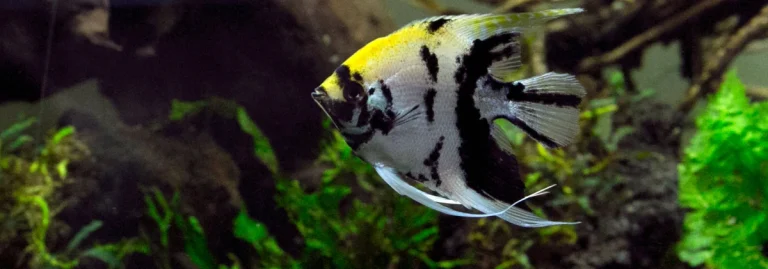
Almost limitless (Angelfish, Gouramis, etc.). |
|
Aquascaping |
Focuses on "Macro" details and mosses. |
Focuses on large plants and heavy wood. |
|
Stability |
Temperature and pH can shift quickly. |
Stays rock-steady for long periods. |
Nano Tank Myths vs. Reality
In the world of small aquariums, there is a lot of "old school" advice that can lead a beginner straight into a disaster.
- Myth: "Small tanks are easier for beginners"
- Reality: Small tanks require more consistency. Because the water volume is low, waste builds up faster. However, maintenance is quicker! A 5-minute water change once a week is all it takes to keep a nano tank perfect.
- Myth: "Fish only grow to the size of their tank"
- Reality: This is harmful misinformation. Internal organs keep growing even if the body is stunted. Always choose true nano fish that stay naturally small to ensure they live a full, healthy life.
- Myth: "Goldfish are perfect for small deskside bowls"
- Reality: Goldfish are massive waste producers and can grow to the size of a dinner plate.
The Five-Minute Maintenance Habit
The beauty of a nano tank is that maintenance isn't a weekend chore. To keep the "magic" alive, follow this simple routine:
- Weekly: Siphon out 20% of the water (about one small bucket). This removes the Nitrates that the filter can't handle.
- The Wipe: Use a soft sponge to wipe any algae off the front glass.
- The Filter: Every month, squeeze your filter sponge out in a bucket of old tank water. Never use tap water, as the chlorine will kill your "good bacteria."
- The Top-Up: Replace the water with fresh, dechlorinated water that is the same temperature as the tank. Keep your "good bacteria" safe and your water pristine by choosing the right treatment from our Water Conditioners Collection.
FAQ: Your Nano Tank Questions Answered
How many fish can I put in a 20L tank?
For a 20L setup, we recommend sticking to one "star" like a Male Betta, or a small group of 5–6 tiny fish like Endlers or Ember Tetra. Overstocking is the fastest way to cause a crash in a small tank.
Do I really need a heater?
Yes, unless you are keeping temperate fish like White Clouds. Tropical fish like Tetras and Guppies need a stable 25°C. Even in summer, overnight temperature drops can stress your fish and lead to illness.
Why is my nano tank water cloudy?
This is usually a "Bacterial Bloom". It happens in new tanks that aren't fully cycled yet. Resist the urge to change all the water; instead, reduce feeding and wait for the bacteria to settle into your filter.
Can I keep Shrimp with my Nano fish?
Absolutely! Red Cherry Shrimp or Amano Shrimp are fantastic additions to a nano tank. They act as a secondary cleanup crew, eating algae and leftover flakes. Just ensure you have plenty of moss for them to hide in.
Small Tank, Big Rewards
Building a nano tank is like curating a miniature gallery. It requires a bit of patience during the setup and a "less is more" approach to stocking, but the reward is a stunning, low-maintenance ecosystem that brings a piece of nature right to your workspace.
Ready to start your small-scale masterpiece? It all starts with the right foundation. Browse thefull range of fish tank accessories and start building your miniature world today.