Setting Up the Perfect Goldfish Tank
In This Guide
- 1. The Bowl Is a Beautiful Lie
- 2. What Your Goldfish Actually Needs: The Shopping List
- 3. The Tank - Bigger Than You Think
- 4. The Filter - Their Most Important Piece of Equipment
- 5. To Heat or Not to Heat?
- 6. The Lid
- 7. Interior Design - Substrate, Plants and Décor
- 8. An Invisible Science - the Nitrogen Cycle
- 9. Choosing Your Goldfish - and Their Neighbours
- 10. Feeding - the Eyeball Rule, Goldfish Edition
- 11. Ongoing Maintenance - the Weekly Rhythm
- 12. Quick Reference: Goldfish Setup at a Glance
- 13. Common Goldfish Myths: Fact vs. Fiction
Imagine being greeted by your best friend as soon as you walk through the front door. He glides towards you, delighted to see you, full of affection and recognition. He is, hands down, the best pet you've ever had.
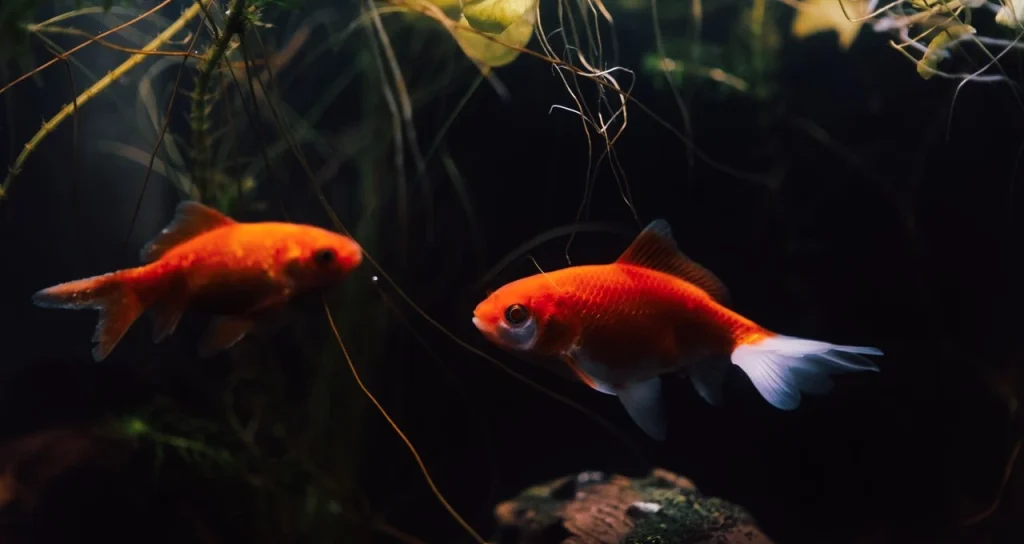
Only this best friend isn't a doting dog or a cuddly cat. He's a happy, curious, golden fish, swimming towards the glass the moment you walk into the room. You know that he recognises you, because his fins fan out like a silk flag in a breeze. He's been doing this for eight years, and he'll probably do it for eight more. He is the goldfish most people don't believe exists - unless they're serious fish lovers.
The difference between this healthy, contented fish and the one that lasts three weeks in a bowl isn't luck. It's a handful of decisions you make before the fish ever arrives in your life. If you get these right, you'll soon discover that goldfish are one of the most rewarding pets you can keep.
The Bowl Is a Beautiful Lie
Before we talk about hardware, we need to talk about the bowl. We've all seen them - the little glass spheres at the funfair, on office desks, in old Hollywood films. The goldfish looks fine. It swims around. But that image has caused more suffering for more fish than almost any other pet-keeping myth.
Goldfish are descended from pond carp, which produce more waste than virtually any other species of freshwater fish. Without filtration, that waste converts to ammonia almost immediately - and ammonia burns gills, damages organs, and slowly kills the fish.
There are also serious issues of space and size. A Fancy Goldfish - your Orandas, Ranchus and Ryukins - will grow to between 16cm and 25cm. A Comet or Common Goldfish can exceed 35cm. Given the right conditions, these fish may live for 10 or even 15 years. Putting them in a bowl isn't a temporary solution - it's a disaster from day one.
The good news is that doing it right isn't complicated at all. It just requires a few non-negotiable pieces of gear.
What Your Goldfish Actually Needs: The Shopping List
The most successful fish-keepers buy their gear at least two weeks before the fish. Here's your Goldfish Starter Kit, in order of importance.
The Tank - Bigger Than You Think
The single most common mistake with goldfish is choosing a tank that's too small. Those “goldfish starter kits” sold in supermarkets and discount stores? They're marketing choices, and they're object lessons in animal cruelty.
For Fancy Goldfish (Orandas, Fantails, Ryukins, Ranchus), start with a minimum tank volume of 75-100 litres. For Comet or Common Goldfish, you're looking at 150-200 litres minimum - and honestly, a garden pond is where these fish belong once they grow. Longer tanks beat taller ones; goldfish are swimmers and need horizontal distance more than depth.
The reason size matters so much comes back to waste. More water means more dilution when something goes wrong: an overdue water change, too many feeds, or finding your tank's balance in the early weeks. A 40-litre bowl offers no room for error. A 150-litre tank, on the other hand, gives you time to breathe and fix things.
The Filter - Their Most Important Piece of Equipment
Goldfish are, without doubt, the messiest freshwater fish most hobbyists will ever keep. They eat constantly, digest poorly, and produce a mountain of waste to match. Your filter has to work hard to keep up.
Aim for a filter rated at at least twice your tank's volume per hour. A 100-litre tank needs a filter that moves 200+ litres per hour. A canister filter, like the Ultra Canister Filter 1400 by AquaEl, is ideal for larger setups; a quality hang-on-back filter works well for medium tanks. Unlike Bettas, goldfish benefit from strong water movement - you generally won't need to dial the flow back.
You can find a range of aquarium filters at LiveFish that are suited to different tank sizes. Choose a model rated for your tank's litre capacity, then go one size up.
To Heat or Not to Heat?
This one surprises people. Goldfish are cold-water fish - they prefer temperatures between 18°C and 22°C. In most Australian homes through spring and summer, your tap water and ambient room temperature will naturally land in that range.
But there's a catch: Fancy Goldfish are sensitive to sudden temperature drops. A cold snap in Southern Australia in July, an air-conditioned room that dips overnight, or a drafty spot near the window can all spike stress levels and open the door to disease.
Our experts recommend that you fit a gentle adjustable heater and set it to 18-20°C. It won't heat the tank in summer, but it will act as a safety net in winter, keeping the temperature from dipping below what your fish can handle. For Fancy varieties in particular, this small investment will help protect a fish that you might have for over a decade.
The Lid
Goldfish aren't famous jumpers the way Bettas are, but it can happen - especially when they're first introduced to a new tank. A secure lid also slows evaporation and keeps dust out of the water. For this reason, a decent lid is worth fitting from day one.
Interior Design - Substrate, Plants and Décor
Goldfish are curious, active foragers. They'll investigate everything in their tank, sift through the substrate constantly, and occasionally attempt to eat things that they shouldn't. It's worth setting up their environment with this in mind.
Substrate: Medium-to-large smooth gravel or fine sand works well. Avoid tiny pebbles - goldfish are compulsive foragers and will swallow them. Dark substrate is a practical choice: it hides the inevitable waste buildup between cleans and makes your fish's colours genuinely pop.
Plants: Here's some honest advice: goldfish will eat most live plants. They'll uproot them, nibble them, and eventually destroy them with enthusiasm. Hardier exceptions include Java Fern and Anubias, both of which attach to driftwood or rock rather than being buried in substrate where goldfish can get to their roots.
Silk plants are a practical and attractive alternative for goldfish tanks. Before buying any decoration or artificial plant, do the ‘nylon stocking test'. Run the stocking over the surface and if it snags, it'll snag your goldfish's fins too. Fancy varieties have long, flowing finnage that can tear easily.
Décor: Open swimming space matters more than heavy decoration. Smooth rocks, driftwood, and simple cave structures work well. Your goldfish will investigate all of it.
An Invisible Science - the Nitrogen Cycle
This is where most beginners come unstuck, and it's especially critical with goldfish. You cannot add a goldfish to a brand-new tank on day one.
Brand-new tank water looks crystal clear. But it contains zero beneficial bacteria - the microscopic organisms that process fish waste and keep ammonia levels safe. Setting up that bacterial colony is called ‘cycling' your tank, and because goldfish produce so much waste, an uncycled goldfish tank can hit dangerous ammonia levels within 24-48 hours of adding fish.
Here's what you need to know:
- Ammonia, which is produced by fish waste and uneaten food, is highly toxic.
- Nitrite, which is produced from ammonia by beneficial bacteria, is still toxic.
- Nitrate, which is produced by a second group of bacteria from nitrite, is only harmful in high concentrations - but is removed during water changes.
The Pro Move: Start your tank off with the fishless cycling method. Add a small pinch of fish food to your empty, filtered, running tank every day for two to three weeks. Test the water with an aquarium test kit. When Ammonia and Nitrite both read 0ppm, your tank is ready for adding your new fish.
Whatever some guides may tell you, don't use goldfish to cycle your tank. Some goldfish may be hardy enough to survive the process, but it's stressful and ultimately damaging to them. Start the tank off without them.
If you want to learn more about cycling your tank - you can read our article about How to Cycle your Fish Tank the Right Way.
Choosing Your Goldfish - and Their Neighbours
Not all goldfish belong together. This is one of the most overlooked rules in the goldfish world.
Fancy varieties (double-tailed fish like Orandas, Fantails, Ryukins and Ranchus) are slow, graceful swimmers that need equally slow, gentle companions. They should not be kept with single-tailed varieties (Comets and Shubunkins), which are faster fish that outcompete Fancies for food at every meal and will stress them over time.
For a first goldfish tank, two or three Fancy varieties in a 100-litre+ tank is an excellent starting point. Pick fish that are swimming upright and actively, and avoid any with clamped fins or visible spots.
Compatible tankmates: Rosy Barbs, Sucking Catfish, Zebra Danios, and Nerite Snails all coexist peacefully with Fancy varieties and tolerate cooler water. Avoid tropical fish - the temperature requirements simply aren't compatible.
Feeding - the Eyeball Rule, Goldfish Edition
Overfeeding is the number one cause of water quality problems in goldfish tanks. It's also the most common mistake, because goldfish are always hungry and very good at convincing you that they haven't been fed.
Feed once or twice daily - only what they consume in two to three minutes.
A handy way to picture the right portion is the eyeball rule: at each feeding, give each fish about as much food as the size of its eye. It sounds tiny, and that's the point - goldfish stomachs are smaller than you'd think.
One important goldfish note: use neutral buoyant or sinking pellets, not floating flakes. Fancy goldfish gulp air from the surface when eating floating food, which can cause swim bladder problems - the distressing condition where a fish floats sideways or struggles to stay upright. Sinking food removes this risk entirely.
Occasional variety will keep your goldfish healthy and their colours vivid. Frozen bloodworms, frozen daphnia, or a small piece of blanched zucchini make excellent additions to the menu once or twice a week.
It's also a good idea to fast your goldfish for one day a week. Their digestive systems will benefit from it.
You'll find goldfish-appropriate foods in the LiveFish food collection, including frozen options that make a real difference to their colour and vitality.
Ongoing Maintenance - the Weekly Rhythm
Once your tank is cycled and the fish are settled, upkeep is relatively straightforward. Here are some handy tips.
Weekly: Remove 20-30% of the water using a gravel vacuum and replace it with fresh, dechlorinated tap water. A water conditioner will remove chlorine from tap water instantly - always remember to do this.
Monthly: Squeeze your filter media out in a bucket of old tank water. Never rinse it under the tap - chlorine in Australian tap water will kill the beneficial bacteria colony you spent weeks growing.
Always: Watch your fish. Goldfish that are healthy are active, curious and hungry. A fish sitting at the bottom or swimming strangely is telling you something. Test the water first - nine times out of ten, the answer will be there.
Quick Reference: Goldfish Setup at a Glance
| Feature | Requirement | Why |
|---|---|---|
| Tank size (Fancy) | 75-100 litres minimum | Waste management and swimming room |
| Tank size (Comet/Common) | 150-200 litres minimum | These are pond fish in a tank |
| Water temperature | 18°C-22°C | Mimics their cool natural habitat |
| Filter flow rate | 2× tank volume per hour | Goldfish are exceptionally messy |
| Diet | Sinking pellets and frozen variety | Prevents swim bladder issues |
| Social setup | Same variety types only | Fast and slow swimmers don't mix |
Common Goldfish Myths: Fact vs. Fiction
Myth: “Goldfish only grow to the size of their tank.” Reality: They grow to their genetic size. A small tank stunts their growth through toxin buildup, causing internal organ damage - and ultimately a slow death.
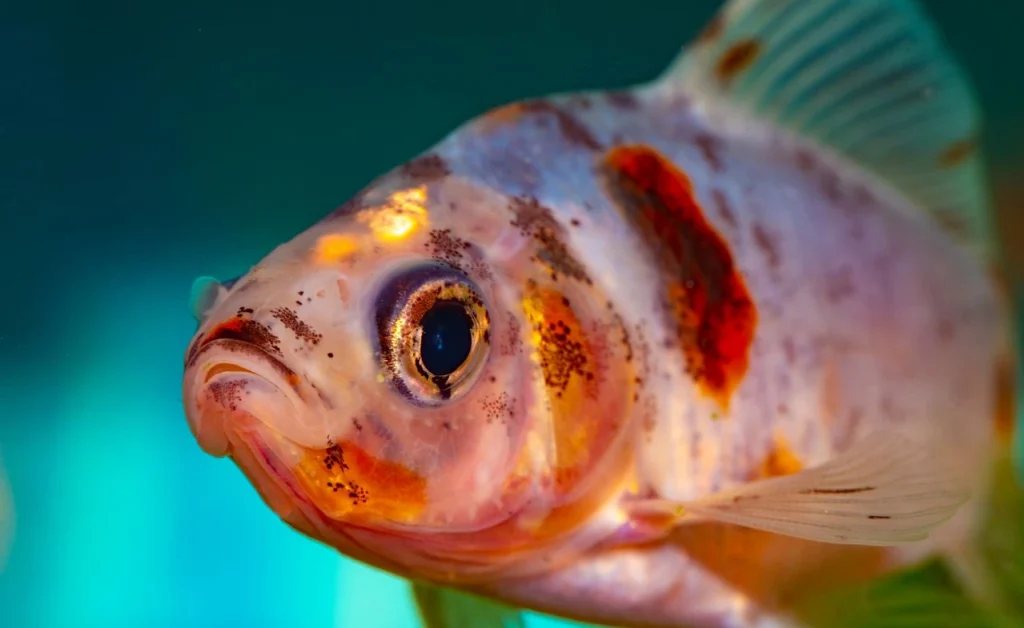
Myth: “Goldfish have a three-second memory.” Reality: This is completely false. Studies show goldfish retain learned behaviour for months. They recognise feeding routines and familiar faces, and respond to training. The fish watching you from the glass knows exactly who you are.
Myth: “Goldfish don't need a filter.” Reality: Goldfish need more filtration than almost any other common freshwater fish. No filter means ammonia accumulates fast - which is why bowl goldfish die quickly, looking confused the whole time.
The goldfish that lives for 15 years and races to the glass when you walk in - that fish exists, and you can give him a great life. All it takes is the right tank, a good filter, a little patience in the early days, and a willingness to let them be what they actually are: intelligent, long-lived, endlessly surprising fish who just needed a bit more room than the man at the fair let on.