Friends from Heaven: Setting Up the Perfect Angelfish Tank
In This Guide
- 1. The Majestic Centrepiece Your Aquarium Has Been Waiting For
- 2. What Kind of Fish Is an Angelfish, Really?
- 3. The Angelfish Shopping List
- 4. The Tank — Tall, Not Wide
- 5. The Heater — Non-Negotiable for Tropicals
- 6. The Filter — Strong Biological, Gentle Flow
- 7. The Lid
- 8. Interior Design — Building an Amazon Environment
- 9. An Invisible Science — the Nitrogen Cycle
- 10. Choosing Your Angelfish — and Their Community
- 11. Feeding Your Angelfish
- 12. Ongoing Maintenance — the Weekly Rhythm
- 13. Quick Reference: Angelfish Setup at a Glance
- 14. Common Angelfish Myths: Fact vs. Fiction
The Majestic Centrepiece Your Aquarium Has Been Waiting For
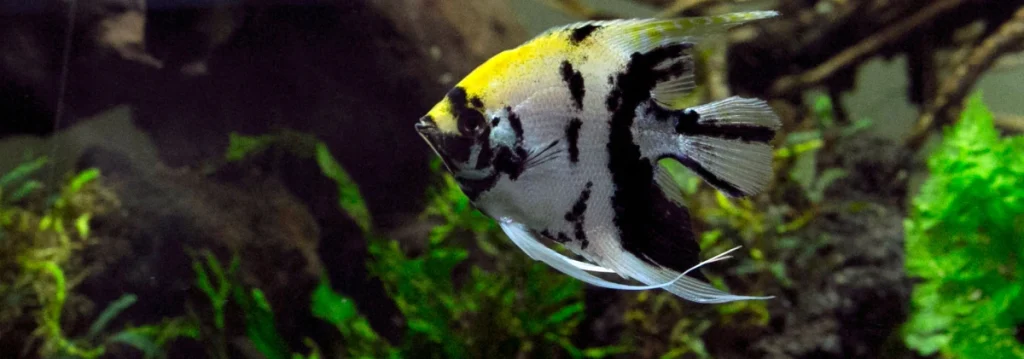
There is a moment, cherished by every serious fishkeeper, when you first see a well-kept angelfish drifting across a beautiful tank. It doesn't swim so much as glide — tall, exotic, unhurried — trailing its stunning ventral fins like the hem of a ballgown. Other fish give way around it. The plants seem to lean in affectionately. You understand, immediately, why this is one of the most iconic and immortalised fish in the entire aquarium world.
Angelfish are not a fish you keep — they're a fish you build a tank around. Get their environment right and they will reward you with years of genuine friendship and personality. These exquisite creatures are not just prized for their good looks; they're regularly described as one of the 10 most intelligent and sociable freshwater fish you can keep. They nearly always recognise their owners — coming up to the glass to greet you — but they also have distinctive personalities and long memories, locking in feeding time and gently reminding you if you dare miss it.
With such a loyal and graceful friend, it pays to give your angelfish the kind of care that they clearly deserve. We've got together a collection of facts and tips to help you become an exemplary angelfish owner, and give your beauties the kind of home that will bring out the best in them.
What Kind of Fish Is an Angelfish, Really?
Before we talk about hardware, it's worth understanding what you're actually keeping — because we're pretty confident that your angelfish is going to surprise you.
Freshwater angelfish (Pterophyllum scalare) are cichlids. Not the peaceful, easygoing community fish of popular imagination, but intelligent, territorial, loyal life partners from the slow-moving blackwater rivers and floodplains of the Amazon Basin. This context matters enormously when setting up their tank.
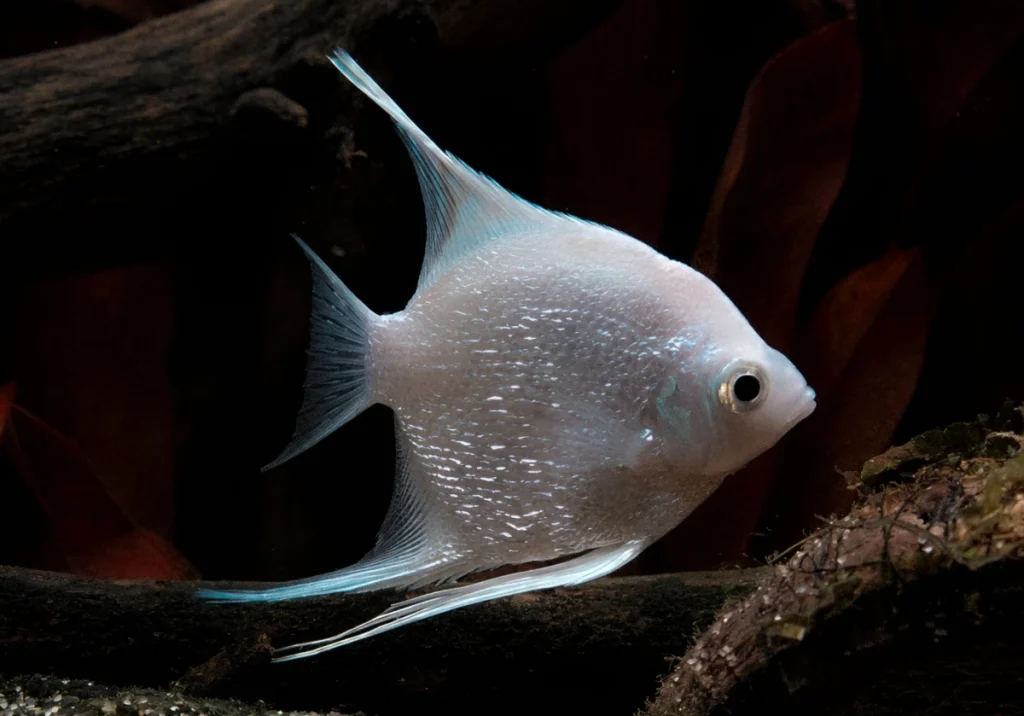
It seems obvious to state that angelfish require a tall tank, but this is the one species in freshwater fishkeeping where height matters more than length. Angelfish can grow surprisingly large — up to 15cm in body length, and a remarkable 20–25cm tall from the tip of the dorsal fin to the tip of the anal fin.
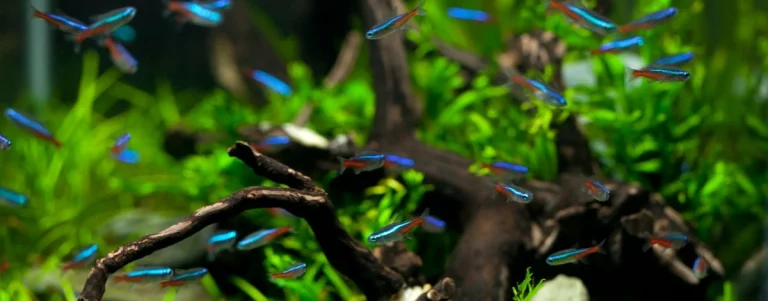
Angelfish are also one of the few monogamous freshwater species. They form lifelong bonds with their chosen mate, and will defend one another and their territory to the death. And while they're often sold alongside small fish like neon tetras, adult angelfish will eat small fish that fit in their mouth. This is not aggressive behaviour — it's simply their nature as predators.
None of this makes angelfish difficult to keep. In fact, it makes them more fascinating. But it does mean their tank needs to be set up with their biological needs and habits in mind.
The Angelfish Shopping List
As with all fish in this series, our experts recommend buying your gear at least two weeks before your fish. Here is your Angelfish Starter Kit, in priority order.
The Tank — Tall, Not Wide
Because angelfish are so tall, they need a lot of vertical space in which to swim and live comfortably. Their thin, disc-shaped bodies provide major survival advantages — allowing them to hide from predators and hunt efficiently — so it's vital that you create a world suited to this nature.
For a pair of angelfish, the minimum space is around 130 litres, with a tank height of at least 45cm. For a small group of four to six juveniles — which is the recommended way to let pairs form naturally — aim for 200 litres or more. A group of six or seven adults needs a genuinely large setup of 300–400 litres.
A practical approach for most beginners: a 130-litre tall tank for a bonded pair, or a 200-litre tall tank if you want to start with juveniles and let them select their own mates. This is the method our experts recommend, as angelfish tend to form stronger, more natural bonds when they choose each other.
The Heater — Non-Negotiable for Tropicals
Angelfish are tropical fish from the warm Amazon Basin. They need their water kept between 24°C and 28°C, with 25–27°C being the sweet spot for everyday keeping. Stability is more important than hitting an exact number — sudden swings in temperature can be a significant stressor.
A quality adjustable heater with a built-in thermostat is essential. For a 130–200 litre tank, a 150–200W unit will maintain temperature reliably. LiveFish carries aquarium heaters well-suited to tanks of this size.
The Filter — Strong Biological, Gentle Flow
Angelfish need excellent water quality but genuinely dislike strong currents. In the wild, they inhabit slow-moving or near-still water, and a powerful flow will stress them out and sap their energy.
The goal is a filter with strong biological filtration capacity but gentle output. Good options include:
- Canister filters with a spray bar or lily pipe diffuser to spread and soften the outlet flow
- Sponge filters in smaller setups — gentle, effective, and angelfish-friendly
- Hang-on-back filters with the flow turned down or baffled
Aim for a filter rated at around 5–10 times the tank volume per hour, but diffuse the output so it doesn't create a strong directional current. You can find a range of aquarium filters at LiveFish suited to medium and larger tropical setups.
The Lid
Angelfish are not notorious jumpers, but startled fish can leap — and at their size, a fall onto the carpet could be fatal. A secure lid is worth fitting from day one.
Interior Design — Building an Amazon Environment
Angelfish are native to a habitat rich in submerged roots, tall aquatic vegetation, and driftwood. Replicating this not only looks beautiful — it genuinely reduces their stress levels and encourages natural behaviour.
Substrate: Fine sand or smooth, fine gravel works best. Angelfish don't dig the way goldfish do, but they appreciate a natural-looking substrate. Dark substrate has the added benefit of making their colours more vivid and reducing the reflections that can cause additional stress.
Plants: Tall, vertically growing plants are ideal — they mirror the reed beds and submerged vegetation of the Amazon and give angelfish the vertical structure they feel most comfortable around. Excellent choices include Amazon Sword plants (Echinodorus), Vallisneria, and tall varieties of Hygrophila. Java Fern and Anubias work well attached to driftwood. Dense planting along the back and sides of the tank, with open swimming space in the middle, is the ideal layout.
Driftwood: Pieces of driftwood are a natural fit for an angelfish tank. They provide territory markers, resting spots, and — if you're planning to breed — potential spawning sites. Angelfish will often lay eggs on a broad, flat vertical surface, including large plant leaves, flat pieces of slate, or smooth driftwood.
Lighting: Moderate lighting suits angelfish well. Very bright, intense light can cause stress — particularly for fish accustomed to the naturally filtered, dimmer light of the Amazon. If your tank gets strong direct light, floating plants will help diffuse it.
An Invisible Science — the Nitrogen Cycle
The nitrogen cycle is a non-negotiable step for any new tank, and angelfish are particularly sensitive to poor water quality. You cannot add angelfish to a brand-new, uncycled tank.
Here are a few critical points to remember when setting up your tank:
- Ammonia is produced by fish waste and uneaten food. It's highly toxic.
- Nitrite is produced from ammonia by beneficial bacteria, but can still be toxic.
- Nitrate is produced by a second group of bacteria from nitrite. It's manageable in low concentrations and removed through water changes.
The Pro Move: Use the fishless cycling method. Add a small pinch of fish food to your empty, running, filtered tank every day for two to three weeks. Test the water with an aquarium test kit. When both Ammonia and Nitrite read 0ppm, the tank is ready. Angelfish are sensitive enough that skipping this step will almost certainly cost you fish.
If you want to learn more about cycling your tank — you can read our article about How to Cycle your Fish Tank the Right Way.
Choosing Your Angelfish — and Their Community
The most natural way to keep angelfish is to buy six to eight juveniles and allow them to pair off as they mature. Once a pair forms, they will bond for life — and a naturally formed pair is generally more compatible and more likely to breed than two adults purchased together.
As they pair off, keep an eye on aggression. Bonded pairs become territorial and may harass unpaired fish in the same tank. If bullying becomes serious, the unpaired fish may need to be rehomed.
If you prefer to start with a pair, buy them young and from the same tank where possible. Males are generally larger with a more rounded body profile; females tend to be smaller and slightly more angular, but sexing juveniles is genuinely difficult — even experienced keepers can get it wrong.
Compatible tankmates for angelfish:
- Larger, peaceful Tetras — Rummy Nose Tetras, Congo Tetras, and Black Skirt Tetras (but avoid small species like Neons with adult angels)
- Corydoras catfish — peaceful bottom-feeders that coexist well
- Gouramis — compatible temperament and similar water requirements
- Bristlenose Plecos — useful algae cleaner fish that stay out of the angels' territory
Tankmates to avoid:
- Small tetras and nano fish — adult angelfish will eat anything that fits in their mouth, including Neon Tetras
- Aggressive or fin-nipping species (e.g. Tiger Barbs or Serpae Tetras) — those long, flowing fins will be a target
- Large, aggressive cichlids — they will fight
- Fast, boisterous fish like Zebra Danios — their constant activity stresses slow-moving angels
Feeding Your Angelfish
Angelfish are omnivores in the wild, feeding on small invertebrates, insect larvae, and plant matter. In the tank, they are enthusiastic and active feeders — one of the genuinely delightful things about keeping them.
Feed a high-quality flake or pellet as the daily staple — choose a size appropriate for their mouths, which are larger than most community fish. Supplement two to three times per week with frozen or live foods: bloodworms, brine shrimp, and daphnia are all eagerly accepted and keep angels' condition and colours vivid.
Feed once or twice daily — only what they consume in two to three minutes. Uneaten food quickly deteriorates water quality, which angelfish are sensitive to. Fast them for one day each week. Their digestive systems benefit from it, just as with every other species in this series.
You will find angelfish-appropriate foods in the LiveFish food collection, including frozen options that will make a real difference to their condition and colour.
Ongoing Maintenance — the Weekly Rhythm
Water quality is everything for angelfish. They are notably more sensitive to dissolved waste and ammonia spikes than goldfish or guppies, so a consistent maintenance routine is not optional.
Weekly: Change 20–30% of the water using a gravel vacuum and replace it with fresh, dechlorinated tap water. A water conditioner removes chlorine instantly — always use it.
Monthly: Clean filter media in a bucket of old tank water. Never rinse it under the tap — chlorine will kill the beneficial bacteria your tank depends upon.
Ongoing: Watch your fish. Healthy angelfish are active, alert and curious. A fish hovering near the surface, clamping its fins, or becoming withdrawn is telling you something. Test the water first — nine times out of 10, the answer will be there.
Quick Reference: Angelfish Setup at a Glance
| Feature | Requirement | Why |
|---|---|---|
| Tank size (pair) | 110–130 litres minimum, 45cm tall | Tall bodies need vertical space |
| Tank size (group) | 200+ litres | Room for pairs to form and territories to be established |
| Water temperature | 24°C–28°C | Tropical Amazon species |
| Filter flow | Gentle — baffled or diffused outlet | Strong currents stress and exhaust angelfish |
| Diet | Pellet or flake + frozen variety | Omnivores needing varied nutrition |
| Social setup | Pairs or small groups of juveniles | Allowing natural pair bonding |
Common Angelfish Myths: Fact vs. Fiction
Myth: "Angelfish are peaceful community fish." Reality: As cichlids, angelfish are generally manageable in a well-planned community, but can become territorial when paired — capable of eating small fish, and perfectly willing to defend their space. Plan your tankmates accordingly.
Myth: "Neon tetras and angelfish make a great combo." Reality: Juvenile angels and neons may coexist briefly. Adult angels will eat them. This is a very common and very avoidable mistake — check the final adult size of your angels before choosing their tankmates.
Myth: "You can keep angelfish in a standard community tank." Reality: Their tall body shape means standard 30–40cm-deep tanks won't give them adequate swimming space. A tall tank is not a preference — it's a mandatory requirement for their long-term health.
The angelfish that glides across a lush, well-planted tank — slow, majestic, and utterly aware of its own magnificence — is one of the most rewarding sights in the freshwater hobby. Give it the space, the water quality, and the right community, and your prized angelfish will be the centrepiece of your home for a decade or more.