Setting Up Your First Betta Tank

In This Guide
- 1. Why the "Bowl" is a Death Trap
- 2. The Hardware Shopping List
- 3. The Tank (Minimum 20–30 Litres)
- 4. The Heater (The Non-Negotiable)
- 5. The Filter (Low-Flow is Key)
- 6. The Lid
- 7. Interior Design - Safety First
- 8. The "Nylon Stocking Test"
- 9. The Invisible Science - The Nitrogen Cycle
- 10. Meeting the King
- 11. Ongoing Care & The "Eyeball Rule"
- 12. Feeding
- 13. Maintenance
- 14. Summary Cheat Sheet
- 15. Common Betta Myths: Fact vs. Fiction
Imagine walking into your room and being greeted by a vibrant, shimmering underwater king. He’s not sitting listlessly at the bottom of a bowl; he’s weaving through emerald-green leaves, exploring his territory, and flare-dancing at you the moment he sees the food container. This is the "Betta Experience", a pet with the personality of a dog and the colours of a sunset.
Achieving this isn't about luck or expensive gear; it’s about a few specific, non-negotiable choices you make before the fish arrives at your house. If you want a fish that lives for years rather than weeks, this is exactly how you build his kingdom.
Why the "Bowl" is a Death Trap
Before we buy the tank, we have to address the elephant in the room. You’ve seen them in films: a Betta in a tiny glass bowl on a desk. In reality, a bowl is a recipe for a stressed, sickly fish.
Because Bettas ( Betta splendens) are labyrinth fish, they can breathe air from the surface. This "superpower" allowed them to survive in oxygen-poor rice paddies in Southeast Asia. However, surviving isn't thriving. In a small bowl, ammonia (from fish waste) builds up so fast it literally burns their gills. Without a heater, their metabolism slows down, their immune system crashes, and they become susceptible to diseases.
If you want the version of the Betta that is active and glowing, we need to think bigger, starting with the big tree: Space, Heat, and Filtration.
The Hardware Shopping List
The most successful hobbyists buy their gear at least two weeks before the fish. Here is your Betta Starter Kit broken down by priority.
The Tank (Minimum 20–30 Litres)
While a Betta can live in 20 litres, a 30-litre or 40-litre tank is the sweet spot. Why? Because larger volumes of water stay stable for longer. If you make a mistake, like accidentally dropping too much food, a 40-litre tank dilutes that waste, giving you time to fix it. A 5-litre bowl offers no such mercy.
The Heater (The Non-Negotiable)
Bettas are tropical. They need their water to stay between 25°C and 27°C. Even if your house feels warm to you, water temperature is usually a few degrees lower than air temperature. A fluctuating temperature is a major stressor. Look for an adjustable 25W or 50W heater with a built-in thermostat.
If you’re looking for a reliable unit to keep those temperatures stable, LiveFish offers a range ofaquarium heaters specifically designed for smaller setups.
The Filter (Low-Flow is Key)
Bettas have those gorgeous, flowing fins, but they aren't Olympic swimmers. Strong currents from heavy-duty filters will toss them around like they’re in a washing machine, leading to exhaustion.
Look for a filter with an adjustable flow rate. This allows you to dial down the power so your Betta can swim comfortably without fighting a whirlpool.
You can find a comprehensive range ofreliable aquarium filters at LiveFish that are perfect for smaller setups; just ensure you choose a model suited to your tank’s Litre capacity.
The Lid
Bettas are incredible jumpers. In the wild, they jump between puddles to find better water. In your house, they’ll jump onto the carpet. Ensure your tank has a tight-fitting lid or a mesh cover.
Interior Design - Safety First
Bettas are highly intelligent and curious. They need a complex environment to prevent boredom, but they are also delicate. Their fins are like fine silk; one sharp plastic plant can tear them to shreds.
The "Nylon Stocking Test"
When buying decor, some people will take a pair of old nylon stockings with you. Run the stocking over the ornament or artificial plant. If it snags or tears the fabric, it will tear your Betta’s fins.
- Substrate: smooth gravel or sand is best. Avoid "neon" gravels that might leach chemicals; natural looks often make the fish's colours pop more anyway.
- Real Plants vs. Silk:live plants like Anubias or Java Fern are perfect because they are soft and actually help clean the water. If you go artificial, only buy "Silk" plants.
- The Betta Hammock: Bettas love to rest near the surface to breathe. A large-leafed plant or a suction-cup leaf hammock placed 5cm below the surface will become his favourite bed.
The Invisible Science - The Nitrogen Cycle
This is where most beginners fail. You cannot - and should not - add a fish to a brand-new tank on day one.
The water may look crystal clear, but it lacks the beneficial bacteria needed to process fish waste. This process is called the nitrogen cycle.
- Ammonia: produced by fish waste and leftover food. It’s highly toxic.
- Nitrite: bacteria convert ammonia into nitrite. Still very toxic.
- Nitrate: a second type of bacteria converts nitrite into nitrate. This is only harmful in high amounts and is removed during your weekly water changes.
The Pro Move: Buy a water test kit. Follow the fishless cycle method: add a tiny bit of fish food to the empty tank every day for 2-3 weeks. Test the water. When your Ammonia and Nitrite readings hit 0ppm, your tank is cycled and safe for your king.
Meeting the King
When you finally receive your Betta home, don't just "plop" him in. The difference in temperature and water chemistry (pH) can cause osmotic shock.
- Acclimatisation: float the sealed bag in the tank for 20 minutes to match the temperature.
- The Slow Drip: open the bag and add half a cup of tank water into the bag. Wait 10 minutes. Repeat this three times.
- The Net: net the fish out of the bag and place him in the tank. Never pour the bag water into your tank; it’s often full of waste.
Ongoing Care & The "Eyeball Rule"
Once he’s settled, maintenance is surprisingly easy.
Feeding
Overfeeding is the #1 killer of pet fish. A Betta’s stomach is roughly the size of its eyeball.
- Feed 2–3 high-quality pellets twice a day.
- Once a week, skip a day of feeding (fasting) to help their digestive system stay clear.
- Treat them occasionally with frozen bloodworms or brine shrimp, it’s like steak for fish. You can find these within LiveFish betta fish food collection.
Maintenance
You don't need to scrub the tank. In fact, doing a 100% water change is bad because it kills your beneficial bacteria.
- Weekly: use a gravel vacuum to remove 12-20% of the water and replace it with fresh, dechlorinated tap water.
- The Filter: every month, squeeze the filter sponge out in a bucket of old tank water. Never use tap water, as the chlorine will kill your bacteria colony.
Summary Cheat Sheet
|
Feature |
Requirement |
Why? |
|
Min Tank Size |
20 Litres |
Stability and swimming room. |
|
Temperature |
25°C – 27°C |
Prevents lethargy and disease. |
|
Filter Flow |
Low / Gentle |
Protects long, heavy fins. |
|
Diet |
Protein-rich pellets |
Matches their insectivore nature. |
|
Social Life |
Solitary (usually) |
Males will fight to the death. |
Common Betta Myths: Fact vs. Fiction
Myth: "Bettas live in mud puddles in the wild"
Reality: They live in massive rice paddies and slow-moving streams. These might be shallow, but the water is clean and the ecosystem is huge.
Myth: "They are 'Fighting Fish', so they are mean"
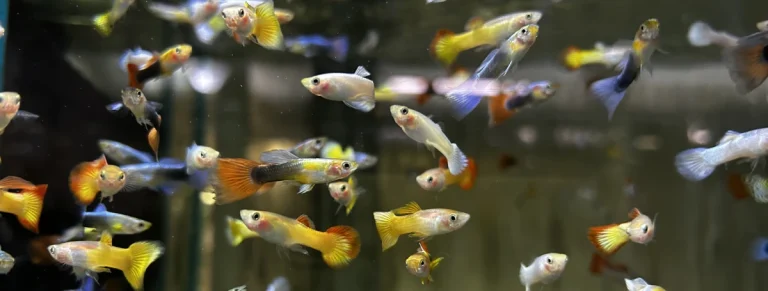
Reality: They are territorial toward other Bettas (and colourful fish like Guppies). However, they are often quite shy and can live peacefully with "boring" neighbours like Nerite Snails or Amano Shrimp.
Myth: "Mirrors are good exercise"
Reality: A mirror makes the Betta think there is a rival. A few minutes of flaring is okay, but leaving a mirror up for hours will literally stress the fish to death.
By following this roadmap, you aren't just "keeping a fish". You are curating a slice of the tropics in your home. It takes a little patience at the start, but the reward is a healthy, curious companion that will recognise your face and brighten your room for years to come.