


Queen Coris Wrasse Juvenile - Medium
Wrasses are among the most dynamic and visually fascinating marine fish in the aquarium hobby, and the Queen Coris Wrasse is one of the most iconic species within the family. Juveniles are especially sought after due to their dramatic spotted colouration, which transforms completely as they mature into adulthood. For marine aquarists wanting a fish with movement, personality, and a truly unique growth transformation, this species is a standout.
-
-
-
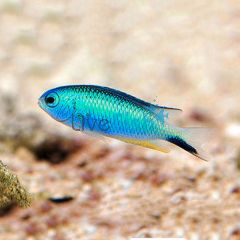 Allens Damselfish - Medium$39.15


Queen Coris Wrasse (Juvenile Medium)
Wrasses are among the most dynamic and visually fascinating marine fish in the aquarium hobby, and the Queen Coris Wrasse is one of the most iconic species within the family. Juveniles are especially sought after due to their dramatic spotted colouration, which transforms completely as they mature into adulthood. For marine aquarists wanting a fish with movement, personality, and a truly unique growth transformation, this species is a standout.
Juvenile Queen Coris Wrasses display a bright orange to reddish body base covered in large, clean white spots edged with darker outlines. This striking juvenile pattern makes them instantly recognisable and gives them an almost designer appearance in marine aquariums. As they mature, the body shape elongates and the colours shift dramatically into greens, blues, and more complex adult markings. Their streamlined wrasse body shape makes them incredibly active swimmers, constantly moving through the water column and weaving around rockwork in search of food.
Sexing juvenile wrasses is difficult, as males and females are visually similar early on. Like many wrasses, dominant individuals may transition into males as they mature. In the wild, they are pelagic spawners, releasing eggs into open water currents. Captive breeding is extremely rare due to the complexity of the larval stage.
Tank Recommendations for Your Queen Coris Wrasse
This species requires a spacious marine aquarium of at least 400 litres, with larger aquariums strongly preferred as they grow. A sandy substrate is essential, as juvenile coris wrasses bury themselves in the sand when sleeping or startled. Live rock structures and open swimming space help them feel secure and display natural hunting behaviour.
Suitable Tank Buddies
Queen Coris Wrasses are generally peaceful with similarly sized marine fish but may prey on smaller invertebrates.
Usually Compatible
Tangs, angelfish, larger clownfish, and robust reef fish.
Sometimes Compatible
Other wrasses or semi-aggressive marine species.
Rarely Compatible
Small shrimp, crabs, or very passive fish.
Feeding Your Queen Coris Wrasse
These wrasses are active hunters and thrive on a varied carnivorous marine diet. The ideal diet would be high-quality marine pellets, supplemented with frozen mysis shrimp, chopped prawn, brine shrimp, or finely chopped seafood to support growth and colour transformation.
| Scientific Name | Coris formosa |
|---|---|
| Care Level | Moderate |
| Common Names | Queen Coris Wrasse, Clown Wrasse |
| Diet | Carnivore |
| Fish Family | Labridae |
| Lifespan (years) | 10 |
| Max. Length (cm) | 35 |
| Min. Tank Volume (l) | 400 |
| Origin | Indo-Pacific |
| Sociability | Semi-aggressive |
| Venomous | No |
| Water Conditions | 24-27°C, pH 8.0-8.4, SG 1.020-1.025 |
| Plant Safe | No |