


Panchax Rainbow - Wild Caught 3.5cm
-
-
-
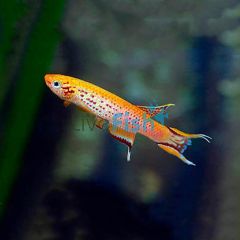 Australe Gold Lyretail 3cm$35.70
 -
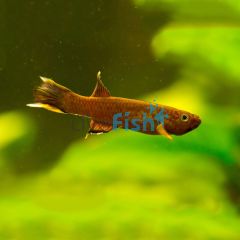 Australe Chocolate 3cm$29.00
 -
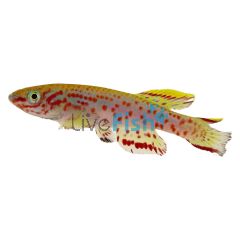 Aphyosemion Gardneri 3.5cm$16.94


Panchax Rainbow - Wild Caught
If you're looking for a top-dwelling nano fish with wild flair, vivid colouration, and fascinating natural behaviour, the Rainbow Panchax is a superb choice. This wild-caught species, native to Sri Lanka, is a stunning representation of the Aplocheilus genus and brings a sense of raw nature and unpredictability to the home aquarium. These fish exhibit the same classic panchax body shape, being long and torpedo-like with an upturned mouth, which is perfect for surface feeding and cruising just beneath the water's surface.
Unlike their selectively bred cousins, the wild-caught Rainbow Panchax features a more natural yet no less dazzling colour palette. Males boast iridescent hues of green, blue, and gold across their sides, with shimmering scales that reflect light like metal. Their fins are typically laced with fiery reds and oranges, and the tail is forked with a striking red or sometimes even purple fringe. Females are more muted but still possess a silvery sheen with subtle colour in the fins. This species' wild nature means they retain their sharp instincts and behaviours, which can make them even more enjoyable to observe in a peaceful, planted setup.
Breeding the Rainbow Panchax is not too difficult but requires attention to detail. Like most panchax, they are egg-scatterers. Males will display to females near floating plants or spawning mops, encouraging them to release eggs onto fine-leaved vegetation. Once eggs are laid, they can be carefully removed and hatched separately to improve fry survival rates. Males are easy to identify due to their brighter colours and slightly larger size.
Tank Recommendations for your Panchax Rainbow - Wild Caught
Due to their top-dwelling behaviour and adult size of around 8 cm, a pair or small group of Rainbow Panchax can be kept comfortably in a tank as small as 60 litres. However, larger tanks with surface vegetation and gentle filtration are ideal to reduce stress and promote natural behaviour. A tight-fitting lid is absolutely essential; these fish are known jumpers. Since they're wild-caught, a calmer, dimly lit aquarium with blackwater elements (leaf litter or driftwood) will make them feel more at home and enhance their colours.
Suitable Tank Buddies
Due to their extremely peaceful behaviour, rainbow panchax are great to include in community aquariums with other similarly sized and tempered fish.
Usually Compatible
Khuli loach, pygmy corydora, maculata rasboras, neon tetras, angelfish, and other peaceful aquarium fish.
Sometimes Compatible
Any incredibly nano species like celestial pearl danios, endlers guppy, and similar species, which may have a risk of being eaten or being outcompeted by the golden panchax.
Rarely Compatible
Larger South American cichlids, both aggressive and peaceful, can easily outcompete rainbow panchax.
Feeding your Panchax Rainbow - Wild Caught
Rainbow Panchax will take aquarium foods very easily. They will take a wide range of floating pellets, flakes, and frozen foods. By giving them a varied diet, it ensures that they have optimal nutrition.
| Scientific Name | Aplocheilus dayi |
|---|---|
| Care Level | Easy |
| Common Names | Panchax Rainbow, Rainbow Panchax |
| Diet | Omnivore |
| Fish Family | Aplocheilidae |
| Lifespan (years) | 4 |
| Max. Length (cm) | 8 |
| Min. Tank Volume (l) | 60 |
| Origin | Sri Lanka |
| Sociability | Peaceful |
| Venomous | No |
| Water Conditions | 24-26° C, pH 6.5-7.5 |
| Plant Safe | Yes |