


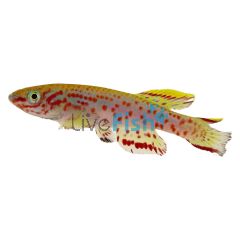
Aphyosemeion Gardneri Gold 4cm
Aphyosemion gardneri
There aren't many freshwater fish that can rival a good killifish when it comes to colour. Despite their relatively small size, species like the Gold Gardneri display colours that would look right at home on a coral reef. Their vibrant appearance, fascinating breeding behaviour, and manageable size have made them one of the true hidden gems of the freshwater aquarium hobby.
$33.06
Out of stock
TL230040
Similar products you might like
-
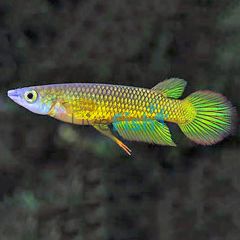
-
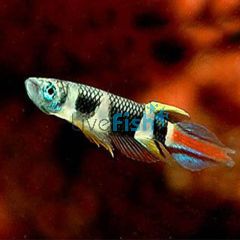
-
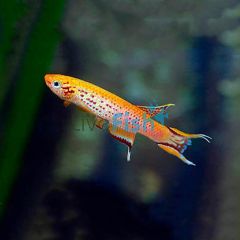 Australe Gold Lyretail 3cm$35.70
 -
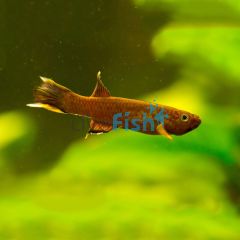 Australe Chocolate 3cm$29.00
 -
 Aphyosemion Gardneri 3.5cm$16.94


| Scientific Name | Aphyosemion gardneri |
|---|---|
| Care Level | Easy |
| Common Names | Gold Gardneri Killifish |
| Diet | Omnivore |
| Fish Family | Nothobranchiidae |
| Lifespan (years) | 4 |
| Max. Length (cm) | 6 |
| Min. Tank Volume (l) | 40 |
| Origin | Nigeria |
| Sociability | Peaceful |
| Venomous | No |
| Water Conditions | 24-26° C, pH 6.0-7.0 |
| Plant Safe | Yes |
Write Your Own Review