

Black Oranda 15cm
-
-
-
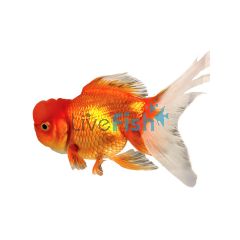 Crown Head Oranda 9cm$87.90
 -
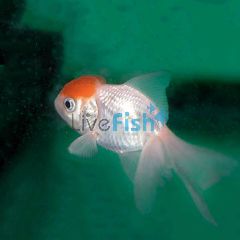
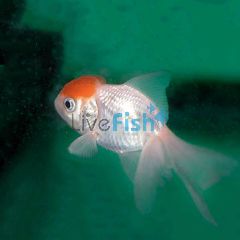 Red Cap Oranda 9cm$62.00
 -
 Oranda Calico 9cm$67.70
 -
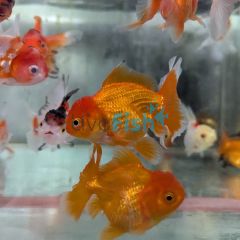


Black Oranda
The black oranda is a beautiful and unique strain in the world of fancy goldfish, known for its dark, contrasting colour and the iconic wen (head growth) that gives the breed its signature look. These fish are a staple for collectors and beginners alike, as their dark hue and adorable, waddling swim style bring both elegance and charm to any aquarium. The dark colouration of this oranda often covers the entire body, including the fins and head, making it a bold and eye-catching centrepiece in a goldfish setup.
Black orandas tend to develop their black colouration more deeply as they mature, especially under optimal conditions with high-quality food and proper lighting. Their wen varies between individuals; some may have a full, puffy "cap" while others display a more subtle version. Like other Oranda varieties, they are slower swimmers and prefer aquariums with gentle currents and plenty of space to glide around. They are hardy goldfish, but due to their unique body structure, do better in temperature-controlled indoor tanks rather than outdoor ponds where conditions may fluctuate too wildly.
Breeding black orandas in captivity is possible but challenging, as sexing goldfish can be difficult outside of the breeding season. Males develop small white tubercles (breeding stars) on their gill plates, while females may appear rounder when carrying eggs. During spawning, males will chase females around the tank, encouraging them to scatter eggs among plants or spawning mops. If breeding is successful, removing the adults after spawning is recommended, as they may consume the eggs.
Tank Recommendations for Black Oranda
The black oranda goldfish can get fairly big at 15 cm, meaning that an individual fantail would need around 100 litres, but a larger aquarium is always better because what is better than one black oranda? Two black oranda, of course!
The thing to note, however, with black oranda goldfish is that, though they have stunning fins, they are actually not the best swimmers, so a slower flow is better. A sand substrate is best, as Oranda will actively sift through the sand. Smooth river stones can be added for further decoration. Sharp materials should be avoided in the aquarium, like pointy driftwood, as Oranda goldfish can easily get injured by them.
Suitable Tank Buddies
Black oranda are a great fish as they are not aggressive in the slightest and can be kept with tank mates. Common tank mates they can be kept with are active and small coldwater-tolerant fish. The goldfish, however, might eat fry produced by these smaller fish however, they will be perfectly fine with adults. Fin-nipping species, however, should be avoided entirely as they will make short work of the flowing fins of the goldfish.
Usually Compatible
Medaka icefish, paradise fish, giant danios, zebra danio, White Cloud Mountain minnows
Sometimes Compatible
Species that can be fin nippers, like rosy barbs, and also tropical species such as angelfish, dwarf cichlids, mollies, and species of a similar sort.
Rarely Compatible
Larger cichlids and fish which have a mouth large such as oscars, jaguar cichlids, and shrimp, should also be avoided, as fan tails will eat shrimp in an instant.
Feeding your Black Oranda
Feeding black oranda should be a breeze; they should immediately take to any aquarium food, practically within 24 hours of being added to their new home. Having other fantails as well will really cost their confidence, making them an almost ravenous pack when feeding (all friendly though). Slow-sinking foods would be best, as Oranda have been known to, at times, get swim bladder issues after frantically gulping for food at the surface. Good quality pellets or flakes that are rich in algae or spirulina content are best suited to their herbivorous diet.
Plant Safe? No - however rough leafed plants like Anubias may be okay
| Scientific Name | Carassius auratus |
|---|---|
| Care Level | Easy |
| Common Names | Black Oranda goldfish, Black Oranda |
| Diet | Herbivore |
| Fish Family | Cyprinidae |
| Lifespan (years) | 15 |
| Max. Length (cm) | 15 |
| Min. Tank Volume (l) | 100 |
| Origin | Asia |
| Sociability | Peaceful |
| Venomous | No |
| Water Conditions | 18 - 24° C, pH 7.0 - 8.5 |
| Plant Safe | No |