


Wild Heckel Discus 7cm
-

-
-
 Assorted Discus 7cm$114.91
-
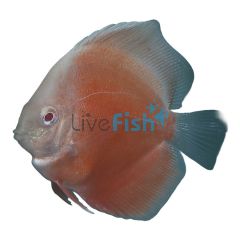 Solid Red Cover Discus 5cm$131.92
-
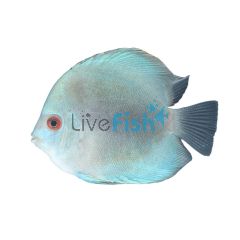
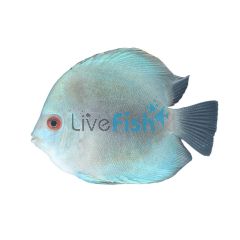 Solid Blue Diamond Discus 9cm$159.13
-
 Assorted Discus 4cm$59.95


Wild Heckel Discus
Discus have held the pinnacle position of aquarium fish for decades; however, for many dedicated discus enthusiasts, the Wild Heckel represents something particularly special. Unlike the countless colour strains created through selective breeding, Heckel Discus retain the natural colours and patterning that have developed within the waterways of the Amazon Basin. They are also immediately recognisable from other discus due to their prominent central vertical bar, making them one of the most distinctive wild discus available.
The Wild Heckel Discus displays an incredible natural combination of warm brown, olive, bronze, and reddish tones covered with metallic turquoise to electric blue horizontal striations. Their most recognisable feature is the fifth vertical bar running through the centre of the body, which is considerably darker and broader than the surrounding stress bars. Depending on the individual, metallic blue patterning can extend heavily through the face, body, dorsal, and anal fins, whilst subtle reds become visible around the lower body. Unlike heavily selected domestic strains, every Heckel has slightly different natural patterning, which is part of what makes a group of these fish so impressive. Against dark backgrounds and natural driftwood, their blue colours really shine through without taking away from the wild appearance.
Trying to distinguish males and females in Heckel Discus is incredibly difficult, as there are very few reliable external differences between the sexes. The best method is to maintain a group and allow compatible pairs to form naturally. Once paired, the fish lay adhesive eggs on a smooth vertical surface, and both parents actively guard them. After hatching, the fry feed from the specialised mucus produced by the parents' skin. Breeding wild Heckels can be considerably more challenging than domestic discus due to their preference for extremely soft and acidic water.
Tank Recommendations for your Wild Heckel Discus
Wild Heckel Discus are large-growing fish that can reach around 20 cm and require exceptionally stable water conditions. A minimum aquarium size of around 300 litres is recommended for a group, with larger aquariums preferred due to the additional stability they provide.
Natural-style aquariums containing driftwood, subdued lighting, and areas of cover work particularly well for Heckels. They prefer very warm, soft, and acidic water and should be introduced to mature aquariums with excellent filtration. Open swimming space should still be provided so the fish can comfortably move as a group.
Suitable Tank Buddies
Wild Heckel Discus are incredibly peaceful and should be maintained with calm species that tolerate similarly warm, soft water.
Usually Compatible
Cardinal tetras, rummynose tetras, Sterbai corydoras, German blue rams, and other peaceful South American fish capable of tolerating elevated temperatures.
Sometimes Compatible
Peaceful bristlenose catfish, angelfish, and smaller Geophagus may work in larger aquariums; however, competition for food and differences in preferred water conditions need to be considered carefully.
Rarely Compatible
Tiger barbs, African cichlids, Oscars, large aggressive cichlids, and extremely active fish should be avoided, as they can stress the discus or continually outcompete them for food.
Feeding your Wild Heckel Discus
Wild Heckel Discus may initially be more selective with food than captive-bred strains. A varied diet of quality slow-sinking discus pellets, frozen bloodworms, blackworms, brine shrimp, and similar meaty foods is ideal. Newly imported fish may show a stronger feeding response towards frozen or live foods before becoming accustomed to prepared diets.
| Scientific Name | Symphysodon discus |
|---|---|
| Care Level | Hard |
| Common Names | Wild Heckel Discus, Heckel Discus |
| Diet | Omnivore |
| Fish Family | Cichlidae |
| Lifespan (years) | 10 |
| Max. Length (cm) | 20 |
| Min. Tank Volume (l) | 300 |
| Origin | Brazil |
| Sociability | Peaceful |
| Venomous | No |
| Water Conditions | 28-30° C, pH 4.5 - 6.5 |
| Plant Safe | Yes |